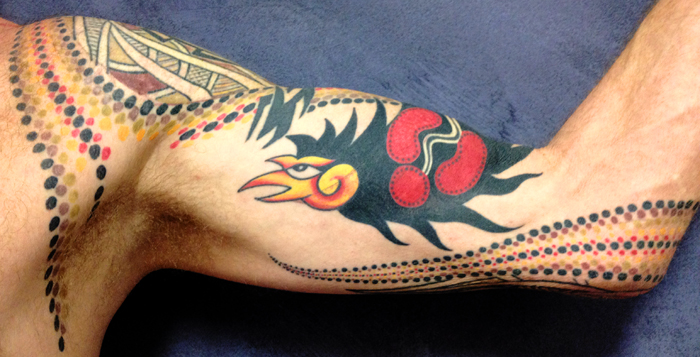
Aboriginal Tattoo Designs: Exploring Heritage and Meaning
Aboriginal tattoo designs represent a profound connection to heritage, land, and spirituality. These intricate markings, deeply rooted in ancient traditions, serve as visual narratives, telling stories of ancestry, personal journeys, and cultural identity. Understanding the significance of aboriginal tattoo designs requires delving into the rich tapestry of indigenous cultures worldwide, appreciating the artistry and symbolism embedded within each stroke.
The Deep Roots of Aboriginal Tattooing
Tattooing, in its various forms, has been practiced by indigenous cultures across the globe for millennia. For many aboriginal communities, tattoos are not mere decorations; they are integral parts of cultural practices, rites of passage, and expressions of belonging. The techniques, motifs, and meanings associated with aboriginal tattoo designs vary significantly from one culture to another.
In Australia, for example, aboriginal tattooing traditions date back tens of thousands of years. Scarification, a form of body modification where designs are cut into the skin, is also common. These marks denote tribal affiliation, social status, and individual achievements. The process itself is often a sacred ritual, accompanied by ceremonies and storytelling.
Symbolism and Meaning in Aboriginal Tattoo Art
The symbolism within aboriginal tattoo designs is incredibly rich and complex. Animals, plants, and natural elements often feature prominently, each carrying specific meanings. For instance, a snake might represent healing and transformation, while a turtle could symbolize longevity and wisdom. The placement of the tattoo on the body can also hold significance, further adding to its meaning.
- Animals: Often represent totems, ancestral spirits, or personal characteristics.
- Plants: Symbolize connection to the land, healing properties, or specific clan affiliations.
- Geometric Patterns: Can represent landscapes, journeys, or spiritual concepts.
Understanding the specific cultural context is crucial when interpreting aboriginal tattoo designs. What might seem like a simple pattern to an outsider could hold profound meaning within a particular community. It’s essential to approach these designs with respect and a willingness to learn.
Materials and Techniques in Traditional Tattooing
Traditional aboriginal tattooing methods often involve using rudimentary tools and natural pigments. In many cultures, sharpened bones, thorns, or shells are used to create the designs, while pigments are derived from plants, charcoal, or ochre. The process can be painful and time-consuming, often requiring multiple sessions to complete a single tattoo.
The skills and knowledge required to create these tattoos are typically passed down through generations, with specific individuals or families holding the responsibility of carrying on the tradition. These tattoo artists are highly respected within their communities, regarded as custodians of cultural knowledge and artistic skill.
The Resurgence of Aboriginal Tattoo Culture
In recent years, there has been a resurgence of interest in aboriginal tattoo designs, both within indigenous communities and among those seeking to connect with their heritage. This revival is driven by a desire to reclaim cultural identity, preserve traditional knowledge, and promote understanding and respect for aboriginal cultures.
However, it’s crucial to approach this resurgence with sensitivity and awareness. Appropriation of aboriginal tattoo designs without understanding their cultural context is deeply disrespectful and can perpetuate harmful stereotypes. It’s essential to engage with indigenous communities, learn about their traditions, and seek permission before incorporating these designs into personal expression.
Ethical Considerations When Choosing Aboriginal Tattoo Designs
When considering an aboriginal tattoo design, it’s essential to prioritize ethical considerations. Here are some guidelines to follow:
- Research: Thoroughly research the specific culture associated with the design you’re interested in.
- Consultation: If possible, consult with members of the indigenous community to learn about the meaning and significance of the design.
- Respect: Approach the design with respect and a genuine desire to understand its cultural context.
- Avoid Appropriation: Do not simply copy designs without permission or understanding.
- Support Indigenous Artists: Consider working with indigenous tattoo artists who can create authentic and meaningful designs.
By following these guidelines, you can ensure that your aboriginal tattoo design is a respectful and meaningful expression of cultural appreciation, rather than a form of cultural appropriation. Remember that these designs are not mere aesthetics; they are living symbols of cultural heritage.
Modern Interpretations of Aboriginal Tattoo Art
While traditional aboriginal tattoo designs remain important, there is also a growing trend of contemporary artists creating modern interpretations of these motifs. These artists often incorporate traditional elements into new and innovative designs, reflecting the evolving nature of aboriginal cultures.
These modern interpretations can be a powerful way to express cultural identity and connect with ancestral roots in a contemporary context. However, it’s still crucial to approach these designs with respect and sensitivity, ensuring that they are created in consultation with indigenous communities and reflect a genuine understanding of cultural values.
Finding Inspiration and Resources
If you’re interested in learning more about aboriginal tattoo designs, there are numerous resources available:
- Museums and Cultural Centers: Many museums and cultural centers offer exhibits and educational programs on aboriginal art and culture.
- Books and Articles: Numerous books and articles explore the history, symbolism, and techniques of aboriginal tattooing.
- Online Resources: Many websites and online communities are dedicated to sharing information and resources on aboriginal cultures.
By exploring these resources, you can gain a deeper understanding of the rich cultural heritage associated with aboriginal tattoo designs and make informed decisions about your own personal expression.
The Enduring Legacy of Aboriginal Tattoo Designs
Aboriginal tattoo designs represent a powerful and enduring legacy of cultural expression. These intricate markings serve as visual narratives, connecting individuals to their ancestry, land, and spirituality. By approaching these designs with respect, sensitivity, and a willingness to learn, we can ensure that they continue to be a source of pride, identity, and cultural preservation for generations to come.
Understanding the cultural significance of aboriginal tattoo designs is paramount. These are not simply images; they are stories etched onto skin, carrying the weight of history and the hopes for the future. Whether you are considering getting an aboriginal tattoo yourself, or simply seeking to learn more about these fascinating traditions, remember to approach them with respect and a genuine desire to understand their profound meaning. The art of aboriginal tattoo is a living testament to the resilience and beauty of indigenous cultures, and it deserves to be celebrated and protected.
The beauty of aboriginal tattoo designs lies not only in their visual appeal but also in the stories they tell. Each line, each symbol, represents a connection to the past, a celebration of the present, and a hope for the future. As we continue to explore and appreciate these art forms, let us do so with respect, understanding, and a commitment to preserving the cultural heritage they represent. [See also: Traditional Maori Tattoo Meanings] The world of aboriginal tattoo is vast and varied, a testament to the diversity of human expression and the enduring power of cultural tradition. Let us honor that power by approaching it with open minds and respectful hearts.
The impact of aboriginal tattoo designs goes beyond mere aesthetics. They are a powerful tool for cultural revitalization, allowing individuals to reconnect with their heritage and assert their identity in a rapidly changing world. As these traditions continue to evolve and adapt, it is crucial that we support indigenous communities in their efforts to preserve and promote their cultural heritage. By doing so, we can ensure that the art of aboriginal tattoo continues to thrive for generations to come.
