Cyclone Fence Gates: A Comprehensive Guide to Security and Access
Cyclone fences, also known as chain-link fences, are a common sight in residential, commercial, and industrial settings. They offer a cost-effective and durable solution for security and boundary demarcation. A critical component of any cyclone fence system is the gate, which provides controlled access while maintaining the integrity of the perimeter. This article offers a comprehensive overview of cyclone fence gates, covering their types, features, installation, maintenance, and security considerations.
Understanding Cyclone Fence Gates
Cyclone fence gates are designed to complement the overall chain-link fencing system. They come in various sizes, styles, and materials to suit different needs and applications. The primary function of a cyclone fence gate is to allow authorized entry and exit while preventing unauthorized access. Selecting the right gate is crucial for ensuring both security and convenience.
Types of Cyclone Fence Gates
Several types of cyclone fence gates are available, each offering specific advantages:
- Swing Gates: These are the most common type of cyclone fence gate. They consist of a gate panel that swings open and closed on hinges. Swing gates can be single or double, depending on the width of the opening.
- Slide Gates: Slide gates, also known as rolling gates, move horizontally along a track. They are ideal for locations where space is limited, as they do not require the swing radius of a traditional gate.
- Cantilever Gates: Cantilever gates are a type of slide gate that is supported by rollers attached to posts outside the opening. This design eliminates the need for a ground track, making them suitable for uneven terrain or areas prone to snow and ice accumulation.
- Walk Gates: These are smaller swing gates designed for pedestrian access. They are typically used in residential settings or as secondary access points in commercial properties.
- Driveway Gates: Larger swing or slide gates designed to accommodate vehicles. These gates often incorporate automated opening systems for added convenience and security.
Materials and Construction
Cyclone fence gates are typically constructed from galvanized steel or aluminum. Galvanized steel offers excellent strength and corrosion resistance, making it a popular choice for most applications. Aluminum gates are lighter and more resistant to rust, making them suitable for coastal environments or areas with high humidity.
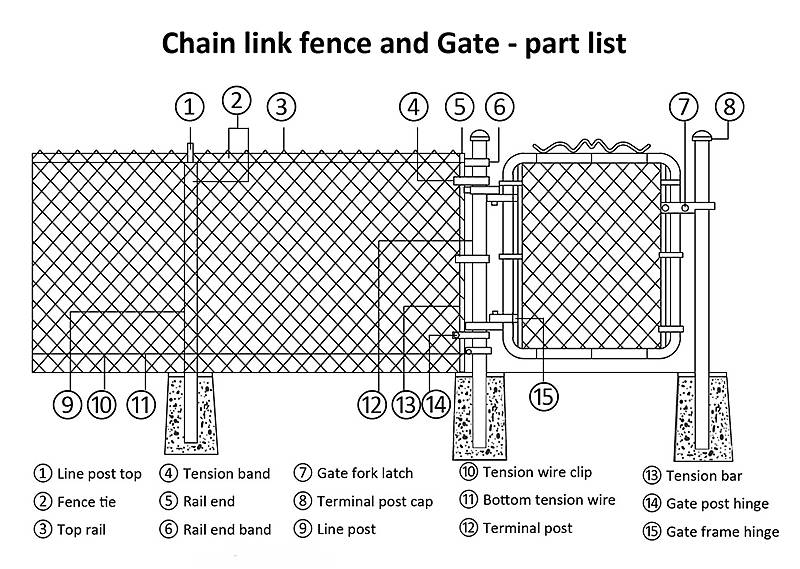
The gate frame is usually made of tubular steel or aluminum, while the mesh infill is constructed from chain-link fabric. The fabric is attached to the frame using tension bands and fasteners. The gate posts are typically made of steel and are embedded in concrete for stability.
Features to Consider When Choosing a Cyclone Fence Gate
When selecting a cyclone fence gate, consider the following features:
- Size: The gate size should be appropriate for the intended use. Walk gates are typically 3-4 feet wide, while driveway gates can range from 10 to 20 feet or more.
- Height: The gate height should match the height of the surrounding fence. Common heights range from 4 to 8 feet.
- Locking Mechanism: Choose a locking mechanism that provides adequate security. Options include padlocks, keyed locks, and electronic access control systems.
- Automation: Consider automating the gate for added convenience and security. Automated gates can be opened and closed with a remote control, keypad, or smartphone app.
- Durability: Look for gates constructed from high-quality materials that are designed to withstand the elements. Galvanized steel and powder-coated finishes offer excellent corrosion resistance.
- Aesthetics: While security is paramount, consider the aesthetic appeal of the gate. Choose a style and finish that complements the surrounding property.
Cyclone Fence Gate Installation
Proper installation is crucial for ensuring the longevity and security of your cyclone fence gate. While DIY installation is possible, it is often best to hire a professional fence contractor. Here’s a general overview of the installation process:
- Planning and Layout: Determine the location of the gate and mark the position of the gate posts. Ensure that the gate will swing or slide freely without obstructions.
- Post Installation: Dig holes for the gate posts, ensuring they are deep enough to provide adequate support. Set the posts in concrete and allow the concrete to cure completely.
- Gate Frame Assembly: Assemble the gate frame according to the manufacturer’s instructions. Attach the hinges or rollers to the frame.
- Gate Installation: Hang the gate on the posts, ensuring it is level and plumb. Adjust the hinges or rollers as needed to ensure smooth operation.
- Locking Mechanism Installation: Install the locking mechanism according to the manufacturer’s instructions. Test the lock to ensure it functions properly.
- Automation System Installation (if applicable): Install the gate opener and any associated accessories, such as sensors and remote controls. Test the system to ensure it operates correctly.
Professional installation ensures that the gate is properly aligned, securely fastened, and operates smoothly. It also helps to prevent premature wear and tear.
Maintaining Your Cyclone Fence Gate
Regular maintenance is essential for keeping your cyclone fence gate in good condition. Here are some tips for maintaining your gate:
- Lubricate Hinges and Rollers: Periodically lubricate the hinges and rollers with a silicone-based lubricant. This will help to prevent rust and ensure smooth operation.
- Inspect for Damage: Regularly inspect the gate for signs of damage, such as rust, dents, or loose fasteners. Repair any damage promptly to prevent further deterioration.
- Clean the Gate: Clean the gate with soap and water to remove dirt and debris. This will help to prevent corrosion and maintain its appearance.
- Tighten Fasteners: Check and tighten all fasteners regularly. Loose fasteners can compromise the security and stability of the gate.
- Trim Vegetation: Keep vegetation trimmed away from the gate. Overgrown vegetation can obstruct the gate’s operation and contribute to corrosion.
Security Considerations
Cyclone fence gates play a crucial role in security. Here are some security considerations to keep in mind:
- Choose a High-Quality Locking Mechanism: Invest in a locking mechanism that provides adequate security. Consider using a padlock with a hardened steel shackle or an electronic access control system.
- Reinforce the Gate Frame: Reinforce the gate frame with additional steel or aluminum to make it more resistant to forced entry.
- Install Security Cameras: Install security cameras to monitor the gate and surrounding area. This can help to deter intruders and provide evidence in the event of a break-in.
- Use Motion Sensors: Install motion sensors to detect unauthorized entry. Motion sensors can trigger an alarm or activate security lighting.
- Maintain the Fence Line: Regularly inspect the entire fence line for signs of damage or tampering. Repair any damage promptly to prevent breaches in security.
Cost of Cyclone Fence Gates
The cost of a cyclone fence gate can vary depending on several factors, including the size, type, material, and features. Swing gates are typically less expensive than slide gates. Automated gates are more expensive than manual gates. Installation costs can also vary depending on the complexity of the project and the location.
As a general guideline, expect to pay between $200 and $1000 for a basic walk gate. Driveway gates can range from $500 to $5000 or more, depending on the size and features. Automated gates can add several hundred to several thousand dollars to the overall cost.
Finding a Reputable Fence Contractor
If you are not comfortable installing a cyclone fence gate yourself, it is best to hire a reputable fence contractor. Here are some tips for finding a qualified contractor:
- Get Recommendations: Ask friends, family, or neighbors for recommendations.
- Check Online Reviews: Read online reviews to get an idea of the contractor’s reputation.
- Verify Licensing and Insurance: Ensure that the contractor is licensed and insured.
- Get Multiple Quotes: Get quotes from several contractors before making a decision.
- Ask for References: Ask the contractor for references and contact them to verify the quality of their work.
Conclusion
Cyclone fence gates are an essential component of any chain-link fencing system. They provide controlled access while maintaining the security of the perimeter. By understanding the different types of gates, features, installation considerations, and maintenance requirements, you can choose the right gate for your needs and ensure its longevity and effectiveness. Whether you are securing a residential property, a commercial facility, or an industrial site, a well-chosen and properly installed cyclone fence gate is a valuable investment.
Remember to consider the specific security needs of your property when selecting a cyclone fence gate. A robust locking mechanism, reinforced frame, and security cameras can all contribute to a more secure environment. Regular maintenance is also crucial for keeping your gate in good condition and preventing premature wear and tear. By following these guidelines, you can ensure that your cyclone fence gate provides years of reliable service and enhanced security.
[See also: Chain Link Fence Installation Guide]
[See also: Choosing the Right Fence for Your Property]
[See also: How to Maintain Your Fence]
