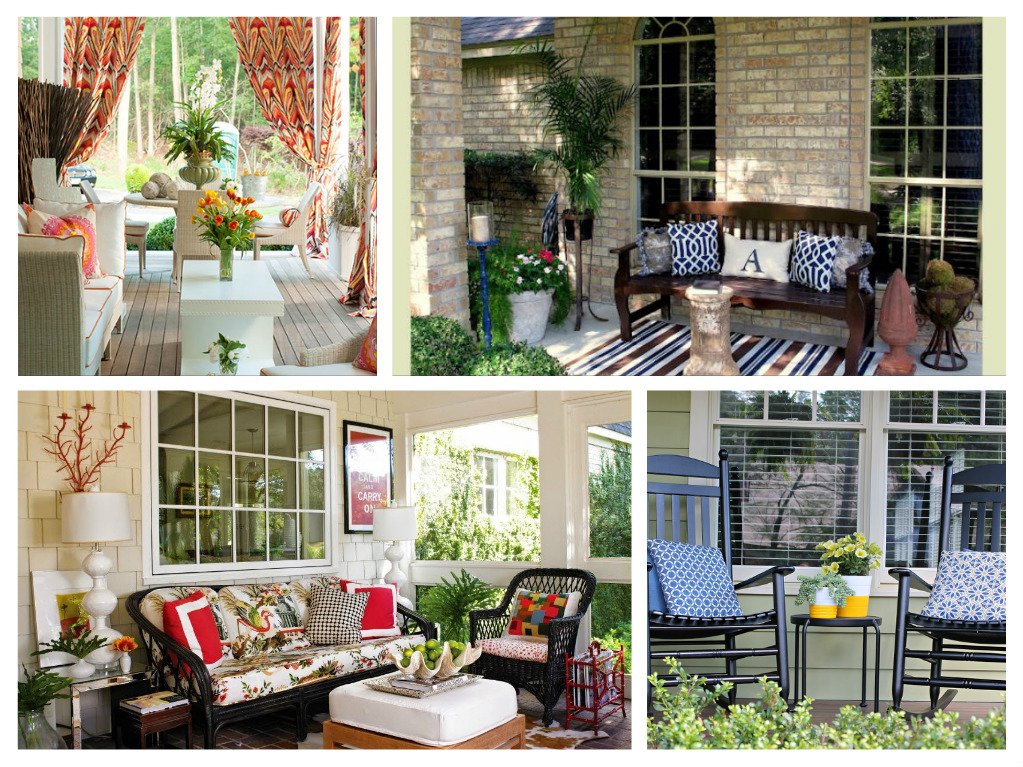
Enclose Front Porch Ideas: Creating a Cozy and Functional Outdoor Space
Enclosing a front porch can significantly enhance your home’s curb appeal and functionality. It transforms an open-air space into a versatile area that can be enjoyed year-round, regardless of the weather. Whether you’re seeking shelter from the elements, an extended living space, or simply a more private entrance, exploring different enclose front porch ideas can help you achieve your desired outcome. This article delves into various approaches, materials, and design considerations for enclosing your front porch, providing inspiration and practical advice to guide your project.
Why Enclose Your Front Porch?
Before diving into specific enclose front porch ideas, it’s crucial to understand the benefits of this home improvement project. Enclosing your front porch offers several advantages:
- Weather Protection: A primary reason to enclose your porch is to shield it from rain, snow, wind, and excessive sunlight. This allows you to enjoy the space in all seasons.
- Extended Living Space: An enclosed porch effectively adds square footage to your home, creating a new area for relaxation, dining, or entertaining.
- Increased Privacy: Enclosing your porch can provide a buffer between your home and the outside world, offering more privacy from neighbors and passersby.
- Enhanced Security: An enclosed porch can act as an additional layer of security, deterring potential intruders.
- Improved Curb Appeal: A well-designed enclosed porch can significantly enhance your home’s aesthetic appeal and increase its value.
- Energy Efficiency: Depending on the materials used, an enclosed porch can help insulate your home, reducing energy costs.
Types of Enclosures: Finding the Right Fit
There are several ways to enclose front porch, each with its own advantages and disadvantages. The best option for you will depend on your budget, aesthetic preferences, and functional needs. Here are some popular choices:
Screened-In Porch
A screened-in porch is a relatively simple and affordable way to enclose front porch. It involves installing screens around the perimeter of the porch to keep out insects and debris while allowing fresh air to circulate. This is a great option if you primarily want to enjoy the outdoors without the annoyance of bugs. Common screening materials include fiberglass, aluminum, and vinyl.
Three-Season Porch
A three-season porch offers more protection than a screened-in porch but is not fully insulated for year-round use. It typically involves installing windows and doors to create a more enclosed space. The windows can be single-pane or double-pane, and they may be removable or sliding to allow for ventilation during warmer months. This type of enclosure provides a good balance between weather protection and airflow.
Four-Season Porch
A four-season porch is a fully insulated and climate-controlled space that can be used year-round. It requires more extensive construction and insulation than a three-season porch and typically includes heating and cooling systems. This option provides the most comfortable and versatile living space, but it is also the most expensive.
Glass Enclosure
A glass enclosure uses floor-to-ceiling glass panels to create a visually stunning and light-filled space. This option allows you to enjoy panoramic views of your surroundings while being protected from the elements. Glass enclosures can be customized to fit any porch size or shape, and they can be combined with other materials like wood or metal for added style and durability. [See also: Sunroom Addition Costs]
Vinyl Enclosure
Vinyl enclosures are a cost-effective and low-maintenance option for enclosing your front porch. Vinyl panels are durable, weather-resistant, and easy to clean. They can be installed on their own or combined with other materials like screens or windows. Vinyl enclosures are available in a variety of colors and styles to match your home’s exterior.
Design Considerations for Enclosed Front Porches
When designing your enclose front porch, there are several factors to consider to ensure a functional and aesthetically pleasing space:
Material Selection
The materials you choose for your enclosure will significantly impact its appearance, durability, and cost. Consider the following options:
- Wood: Wood is a classic and versatile material that can be used for framing, siding, and trim. It offers a natural and warm aesthetic, but it requires regular maintenance to prevent rot and insect damage.
- Vinyl: Vinyl is a low-maintenance and weather-resistant material that is ideal for siding and trim. It is available in a variety of colors and styles, and it is relatively affordable.
- Aluminum: Aluminum is a durable and lightweight metal that is often used for framing and screening. It is resistant to rust and corrosion, and it requires minimal maintenance.
- Glass: Glass is an excellent choice for creating a bright and airy enclosed porch. It can be used for windows, doors, and even entire walls. Consider using tempered or laminated glass for added safety and durability.
- Screen: Choose a screen material that is durable and resistant to tearing. Fiberglass, aluminum, and vinyl are all good options.
Window and Door Options
The type of windows and doors you choose will impact the ventilation, light, and security of your enclosed porch. Consider the following options:
- Sliding Windows: Sliding windows are easy to operate and provide excellent ventilation. They are a good choice for porches where space is limited.
- Casement Windows: Casement windows swing outward, providing maximum ventilation. They are a good choice for porches where you want to capture breezes.
- Double-Hung Windows: Double-hung windows have two sashes that can be moved up and down, allowing for versatile ventilation options.
- French Doors: French doors add a touch of elegance to any enclosed porch. They provide a wide opening and allow plenty of natural light to enter the space.
- Sliding Glass Doors: Sliding glass doors are a practical choice for porches where space is limited. They provide a seamless transition between the indoor and outdoor spaces.
Insulation and Climate Control
If you plan to use your enclosed porch year-round, insulation and climate control are essential. Consider the following options:
- Insulation: Insulate the walls, ceiling, and floor of your enclosed porch to prevent heat loss in the winter and heat gain in the summer. Common insulation materials include fiberglass, cellulose, and spray foam.
- Heating: Install a heating system, such as a space heater, fireplace, or radiant floor heating, to keep your enclosed porch warm in the winter.
- Cooling: Install a cooling system, such as an air conditioner or ceiling fan, to keep your enclosed porch cool in the summer.
Lighting and Electrical
Proper lighting and electrical outlets are essential for creating a functional and comfortable enclosed porch. Consider the following options:
- Overhead Lighting: Install overhead lighting fixtures, such as recessed lights or chandeliers, to provide general illumination.
- Task Lighting: Install task lighting, such as table lamps or floor lamps, to provide focused illumination for reading or other activities.
- Accent Lighting: Install accent lighting, such as wall sconces or spotlights, to highlight architectural features or artwork.
- Electrical Outlets: Install electrical outlets to power lamps, appliances, and electronic devices.
Flooring Options
The flooring you choose for your enclosed porch will impact its appearance, durability, and comfort. Consider the following options:
- Wood: Wood flooring is a classic and elegant choice for enclosed porches. It provides a warm and inviting feel, but it requires regular maintenance to prevent damage from moisture and insects.
- Tile: Tile flooring is a durable and water-resistant option that is ideal for enclosed porches. It is available in a wide variety of colors and styles, and it is easy to clean.
- Concrete: Concrete flooring is a durable and low-maintenance option that is ideal for enclosed porches. It can be stained, stamped, or polished to create a variety of looks.
- Carpet: Carpet flooring is a soft and comfortable option that is ideal for enclosed porches. However, it is not as durable or water-resistant as other options.
Enclose Front Porch Ideas: Inspiration and Examples
To inspire your own enclose front porch project, here are some ideas and examples:
- Cozy Reading Nook: Create a cozy reading nook by adding comfortable seating, soft lighting, and bookshelves to your enclosed porch.
- Outdoor Dining Area: Transform your enclosed porch into an outdoor dining area by adding a table and chairs.
- Entertaining Space: Create an entertaining space by adding comfortable seating, a bar, and a television to your enclosed porch.
- Home Office: Convert your enclosed porch into a home office by adding a desk, chair, and computer.
- Sunroom: Transform your enclosed porch into a sunroom by adding plenty of windows and skylights.
DIY vs. Professional Installation
Deciding whether to enclose front porch yourself or hire a professional depends on your skills, experience, and budget. DIY projects can save you money, but they require time, effort, and expertise. Professional installation ensures quality workmanship and compliance with building codes, but it can be more expensive.
If you’re comfortable with basic carpentry, electrical, and plumbing tasks, you may be able to handle some aspects of the project yourself. However, for more complex tasks, such as framing, wiring, and insulation, it’s best to hire a qualified contractor. [See also: Finding a Reliable Contractor]
Permits and Regulations
Before starting your enclose front porch project, it’s essential to check with your local building department to determine if you need any permits. Most municipalities require permits for structural changes, electrical work, and plumbing. Failure to obtain the necessary permits can result in fines and delays.
Additionally, be aware of any homeowner association (HOA) rules or restrictions that may apply to your project. HOAs often have guidelines regarding the size, style, and materials used for home improvements.
Conclusion
Enclosing your front porch is a worthwhile investment that can enhance your home’s functionality, curb appeal, and value. By carefully considering your needs, budget, and design preferences, you can create a beautiful and comfortable outdoor space that you’ll enjoy for years to come. Remember to research different enclose front porch ideas, choose the right materials, and comply with all applicable regulations. With proper planning and execution, you can transform your front porch into a valuable asset for your home.
