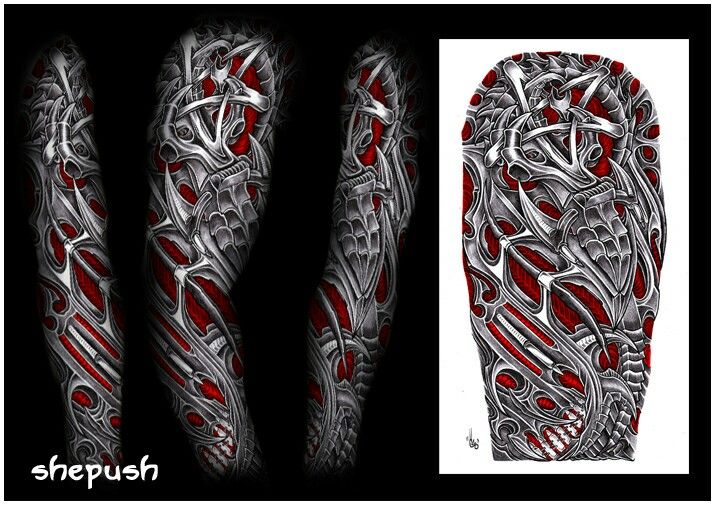
Full Sleeve Tattoo Drawings: A Comprehensive Guide to Design and Inspiration
Full sleeve tattoos are a significant commitment, a canvas of self-expression that wraps entirely around the arm. The process begins not with the needle, but with meticulous planning and design. Understanding the nuances of full sleeve tattoo drawings is crucial for anyone considering this bold form of body art. This comprehensive guide delves into the world of full sleeve tattoo drawings, exploring various styles, design considerations, and sources of inspiration to help you create a truly unique and meaningful piece.
Understanding Full Sleeve Tattoo Anatomy
Before diving into design, it’s essential to understand the anatomy of a full sleeve tattoo. The arm presents a complex, curved surface, requiring designs that flow seamlessly and consider the natural movement of the body. Key areas to consider include:
- The Upper Arm: Offers the largest, flattest area, ideal for central design elements.
- The Elbow: A challenging area due to its bony prominence and sensitivity. Designs here should be carefully chosen to avoid distortion.
- The Forearm: Provides a narrower canvas, often used for connecting elements or smaller, detailed designs.
- The Wrist: Another sensitive area, often used to tie the entire sleeve together with a subtle design element.
Consider how the design will look from different angles and during movement. A well-planned full sleeve tattoo drawing will account for these factors, ensuring a visually appealing and cohesive result.
Exploring Popular Tattoo Styles for Full Sleeves
The world of tattoo art offers a vast array of styles, each with its unique aesthetic and techniques. Here are some popular styles often used in full sleeve tattoo drawings:
Japanese (Irezumi)
Japanese tattoos, or Irezumi, are rich in symbolism and often depict mythical creatures, dragons, koi fish, and floral motifs like cherry blossoms and peonies. These designs are typically bold, colorful, and incorporate traditional elements such as wind bars and water currents. Full sleeve tattoo drawings in this style often tell a story or represent aspects of Japanese folklore. [See also: Traditional Japanese Tattoo Art]
American Traditional (Old School)
Characterized by bold lines, bright colors, and classic imagery like anchors, roses, eagles, and pin-up girls, American Traditional tattoos offer a timeless appeal. Full sleeve tattoo drawings in this style often feature a collection of individual designs arranged in a visually appealing manner. The thick outlines and simple shading make these tattoos durable and easily recognizable.
Realism
Realism tattoos aim to replicate photographs or lifelike images onto the skin. This style requires exceptional skill and attention to detail. Full sleeve tattoo drawings in realism can feature portraits, landscapes, or any subject matter rendered with stunning accuracy. The longevity of realism tattoos depends heavily on the artist’s technique and the aftercare provided. [See also: Realistic Portrait Tattoos]
Black and Grey
Black and grey tattoos utilize shades of black ink to create depth and dimension. This style can be applied to various subjects, from portraits and landscapes to geometric patterns and abstract designs. Full sleeve tattoo drawings in black and grey offer a classic and versatile look. The absence of color allows for intricate shading and detailed linework to take center stage.
Geometric
Geometric tattoos incorporate shapes, lines, and patterns to create visually striking designs. These tattoos can be symmetrical or asymmetrical, abstract or representational. Full sleeve tattoo drawings in geometric styles often feature mandalas, sacred geometry, and intricate patterns that flow seamlessly around the arm.
Tribal
Tribal tattoos draw inspiration from ancient cultures and often feature bold, black lines and intricate patterns. These designs can be symbolic or purely ornamental. Full sleeve tattoo drawings in tribal styles often represent heritage, strength, and connection to ancestral roots. It’s important to research the specific tribal designs you’re considering to ensure they are culturally appropriate and respectful.
Finding Inspiration for Your Full Sleeve Tattoo Drawings
The possibilities for full sleeve tattoo drawings are endless. Here are some sources of inspiration to help you develop your own unique design:
- Personal Interests: What are you passionate about? Hobbies, beliefs, and life experiences can all serve as inspiration for your tattoo.
- Nature: Animals, plants, and landscapes offer a wealth of visual inspiration. Consider incorporating elements of nature into your design.
- Mythology and Folklore: Ancient myths and legends are rich in symbolism and imagery. Explore different cultures and their stories for inspiration.
- Art and Literature: Draw inspiration from your favorite artists, writers, and works of art.
- Personal Symbols: Incorporate symbols that hold personal meaning for you, such as birthstones, zodiac signs, or family crests.
The Process of Creating Full Sleeve Tattoo Drawings
Creating a full sleeve tattoo is a collaborative process between the client and the tattoo artist. Here’s a general overview of the process:
- Consultation: Discuss your ideas, preferences, and budget with your chosen tattoo artist. Bring reference images and be prepared to answer questions about your vision.
- Design Development: The artist will create a series of full sleeve tattoo drawings based on your consultation. This may involve multiple revisions to ensure the design meets your expectations.
- Stenciling: Once the design is finalized, the artist will create a stencil that will be applied to your arm. This allows you to see how the tattoo will look on your body before the tattooing process begins.
- Tattooing: The tattooing process can take multiple sessions, depending on the size and complexity of the design. Be prepared to sit for extended periods and follow the artist’s instructions carefully.
- Aftercare: Proper aftercare is crucial for healing and preventing infection. Follow your artist’s instructions diligently and keep the tattoo clean and moisturized.
Choosing the Right Tattoo Artist
Selecting a skilled and experienced tattoo artist is paramount. Look for an artist who specializes in the style you’re interested in and has a strong portfolio of full sleeve tattoo drawings. Read reviews, ask for recommendations, and schedule consultations with multiple artists before making your final decision. Don’t be afraid to ask questions about their experience, techniques, and hygiene practices.
Cost Considerations for Full Sleeve Tattoos
The cost of a full sleeve tattoo can vary widely depending on factors such as the artist’s experience, the complexity of the design, and the number of sessions required. Be sure to discuss pricing with your artist upfront and get a clear estimate before starting the tattooing process. Remember that quality comes at a price, and it’s worth investing in a skilled artist who can create a tattoo you’ll be proud of for years to come.
Pain Management and Tattoo Aftercare
Getting a full sleeve tattoo can be a painful experience, especially in sensitive areas like the elbow and wrist. Discuss pain management options with your artist, such as numbing creams or breaks during the session. Proper aftercare is essential for healing and preventing infection. Follow your artist’s instructions carefully, keep the tattoo clean and moisturized, and avoid sun exposure and swimming until the tattoo is fully healed.
The Enduring Appeal of Full Sleeve Tattoo Drawings
Full sleeve tattoo drawings represent a powerful form of self-expression and artistic commitment. By carefully considering your design, style, and artist, you can create a stunning piece of body art that tells your story and reflects your unique personality. The process of creating a full sleeve tattoo is a journey, and the result is a lasting testament to your creativity and individuality. [See also: The History of Tattooing]
In conclusion, exploring full sleeve tattoo drawings is an exciting first step into a world of artistic possibilities. Remember to research thoroughly, choose your artist wisely, and embrace the journey of creating a unique and meaningful piece of art that you’ll carry with you for a lifetime.
