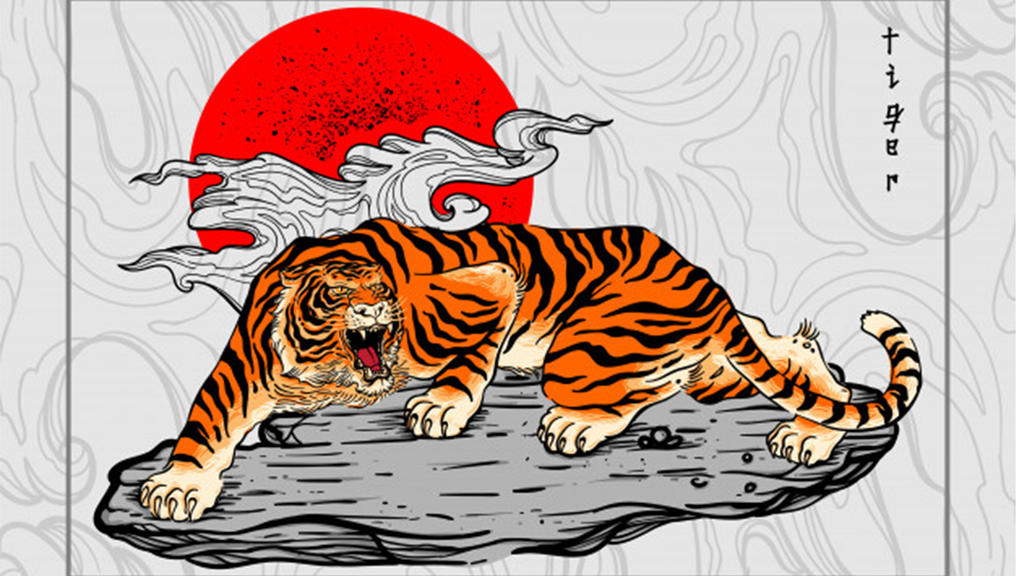
Japanese Tiger Tattoo Sleeve: Meaning, Designs, and Cultural Significance
The Japanese tiger tattoo sleeve is a powerful and visually striking design that combines the rich symbolism of the tiger with the artistry of traditional Japanese tattooing, known as Irezumi. This comprehensive guide explores the meaning, history, design elements, and cultural significance of the Japanese tiger tattoo sleeve, providing insights for those considering this bold and meaningful body art.
The Allure of the Japanese Tiger Tattoo
The tiger, or *tora* in Japanese, holds a prominent place in Japanese art and folklore. Unlike native tiger populations, the tiger was primarily known through Chinese art and stories brought to Japan. In Japanese culture, the tiger symbolizes courage, strength, protection, and good luck. It is often depicted as a guardian figure warding off evil spirits and misfortune. The Japanese tiger tattoo sleeve captures this potent symbolism, making it a popular choice for those seeking a tattoo that embodies these qualities.
Historical Roots of the Japanese Tiger in Tattoo Art
While tigers weren’t native to Japan, their imagery was incorporated into Japanese art forms, including woodblock prints (Ukiyo-e) and, eventually, tattoos. The influence of Chinese mythology and art played a significant role in shaping the Japanese perception of the tiger. As tattooing became more prevalent in Japan, particularly among the working class and members of the Yakuza, the tiger emerged as a popular motif, often paired with other traditional Japanese elements such as dragons, koi fish, and cherry blossoms.
Symbolism and Meaning Behind the Japanese Tiger Tattoo Sleeve
The Japanese tiger tattoo sleeve is laden with symbolism, each element contributing to the overall meaning of the design. Here’s a breakdown of some key aspects:
- Courage and Bravery: The tiger is a symbol of unwavering courage and fearlessness, representing the wearer’s inner strength and resilience.
- Protection: The tiger is believed to ward off evil spirits and protect against harm, acting as a guardian figure for the wearer.
- Strength and Power: The tiger embodies physical and mental strength, symbolizing the ability to overcome challenges and obstacles.
- Good Luck: In some interpretations, the tiger is associated with good luck and prosperity, bringing positive energy into the wearer’s life.
- Fierceness: The tiger’s fierce nature can represent a strong will and determination to succeed.
Popular Design Elements for Japanese Tiger Tattoo Sleeves
A Japanese tiger tattoo sleeve can incorporate a variety of design elements to create a unique and personalized piece of art. Here are some popular choices:
- Tiger’s Pose: The tiger can be depicted in various poses, each conveying a different meaning. A roaring tiger symbolizes power and aggression, while a stalking tiger suggests cunning and strategy. A relaxed tiger might represent inner peace and contentment.
- Background Elements: Common background elements include bamboo forests (representing resilience), crashing waves (symbolizing strength and overcoming adversity), cherry blossoms (representing the fleeting nature of life), and maple leaves (representing the passage of time).
- Color Palette: Traditional Japanese tattoos often utilize a limited color palette, focusing on bold blacks, reds, and yellows. However, modern interpretations may incorporate a wider range of colors to create more vibrant and dynamic designs.
- Other Japanese Motifs: The tiger can be combined with other Japanese motifs such as dragons, koi fish, peonies, and skulls to create a more complex and layered design. [See also: Japanese Dragon Tattoo Sleeve: Symbolism and Designs]
Considerations When Choosing a Japanese Tiger Tattoo Sleeve Design
Before getting a Japanese tiger tattoo sleeve, it’s essential to consider several factors to ensure you choose a design that you’ll be happy with for years to come:
- Research and Inspiration: Explore different Japanese tiger tattoo sleeve designs online and in tattoo magazines to gather inspiration and identify the elements you like.
- Consult with a Skilled Artist: Find a tattoo artist specializing in traditional Japanese tattooing (Irezumi). Look at their portfolio to assess their skill and experience in creating tiger tattoos.
- Discuss Your Ideas: Clearly communicate your vision to the artist, including the specific symbolism you want to incorporate, the desired style, and the overall size and placement of the tattoo.
- Consider the Pain Factor: Tattooing a sleeve can be a time-consuming and potentially painful process. Be prepared for multiple sessions and discuss pain management options with your artist.
- Aftercare: Proper aftercare is crucial for ensuring your tattoo heals correctly and maintains its vibrancy. Follow your artist’s instructions carefully and keep the area clean and moisturized.
Finding the Right Tattoo Artist for Your Japanese Tiger Tattoo Sleeve
Choosing the right tattoo artist is paramount for a successful Japanese tiger tattoo sleeve. Look for an artist who:
- Specializes in Irezumi: Traditional Japanese tattooing requires specific techniques and knowledge of symbolism.
- Has a Strong Portfolio: Review the artist’s previous work to assess their skill and style. Pay attention to the quality of line work, shading, and color application.
- Understands Japanese Symbolism: The artist should have a deep understanding of the symbolism associated with the tiger and other Japanese motifs.
- Is Open to Collaboration: A good artist will listen to your ideas and work with you to create a custom design that meets your needs and preferences.
- Maintains a Clean and Safe Environment: Ensure the studio is clean, sterile, and adheres to all health and safety regulations.
The Enduring Appeal of the Japanese Tiger Tattoo
The Japanese tiger tattoo sleeve continues to be a popular choice for those seeking a powerful and meaningful tattoo. Its rich symbolism, combined with the artistry of traditional Japanese tattooing, makes it a timeless and visually stunning piece of body art. Whether you’re drawn to the tiger’s courage, strength, or protective qualities, a Japanese tiger tattoo sleeve can be a powerful expression of your inner self.
Different Styles of Japanese Tiger Tattoo Sleeve
While rooted in tradition, the Japanese tiger tattoo sleeve can be adapted to different styles, offering a range of aesthetic options:
- Traditional Irezumi: This style adheres to classic Japanese tattooing techniques, using hand-poked needles (tebori) or traditional tattoo machines. It typically features bold outlines, limited color palettes, and traditional motifs.
- Neo-Traditional: This style blends traditional Japanese elements with modern techniques and aesthetics. It often incorporates brighter colors, more intricate details, and contemporary design elements.
- Black and Grey: A black and grey Japanese tiger tattoo sleeve can be a striking and sophisticated option. This style emphasizes shading and contrast to create depth and dimension.
- Watercolor: This style uses soft, blended colors to create a painterly effect. A watercolor Japanese tiger tattoo sleeve can be a beautiful and ethereal choice.
Placement Considerations for a Japanese Tiger Tattoo Sleeve
The placement of your Japanese tiger tattoo sleeve is an important consideration. The arm is a common choice, allowing for a large and visible design. However, other options include the leg, back, or even a full body suit (though this is a much more extensive commitment). Consider the following factors when choosing your placement:
- Visibility: Do you want your tattoo to be easily visible, or would you prefer it to be more discreet?
- Pain Tolerance: Some areas of the body are more sensitive to pain than others.
- Design Flow: Consider how the design will flow with the natural contours of your body.
- Professional Considerations: Depending on your profession, you may need to consider the visibility of your tattoo.
Maintaining the Vibrancy of Your Japanese Tiger Tattoo Sleeve
To ensure your Japanese tiger tattoo sleeve remains vibrant and beautiful for years to come, follow these aftercare tips:
- Keep it Clean: Wash your tattoo regularly with mild soap and water.
- Moisturize: Apply a fragrance-free, hypoallergenic moisturizer to keep the skin hydrated.
- Protect it from the Sun: Sun exposure can fade your tattoo. Apply sunscreen with a high SPF whenever you’re outdoors.
- Avoid Scratching: Resist the urge to scratch your tattoo, as this can damage the skin and cause fading.
- Stay Hydrated: Drinking plenty of water will help keep your skin healthy and hydrated.
Conclusion: Embracing the Power of the Japanese Tiger Tattoo Sleeve
The Japanese tiger tattoo sleeve is more than just a tattoo; it’s a powerful symbol of courage, strength, and protection. By understanding the history, symbolism, and design elements of this iconic tattoo, you can make an informed decision and choose a design that resonates with your personal values and aspirations. Remember to research and choose a skilled artist who specializes in Irezumi to ensure you get a Japanese tiger tattoo sleeve that you’ll cherish for a lifetime. The Japanese tiger tattoo sleeve, when done right, is a stunning testament to the enduring power of art and symbolism. A well-executed Japanese tiger tattoo sleeve is a conversation starter and a reflection of inner strength. This detailed exploration provides a solid foundation for anyone considering a Japanese tiger tattoo sleeve. The Japanese tiger tattoo sleeve truly embodies the spirit of Irezumi. The Japanese tiger tattoo sleeve remains a timeless classic. Finally, remember a Japanese tiger tattoo sleeve is a lifelong commitment.
