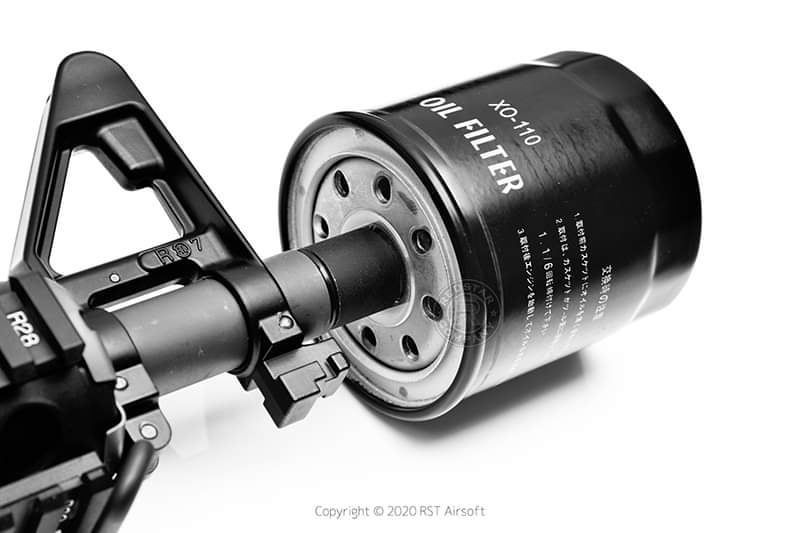
Oil Filter Suppressor: Understanding the Controversy and Legality
The term “oil filter suppressor” often sparks debate and confusion within the firearms community and beyond. While seemingly innocuous, the concept raises significant legal and practical questions. This article aims to provide a comprehensive and objective overview of what an oil filter suppressor is, its potential uses, the legal ramifications, and the controversies surrounding its existence.
The burgeoning interest in firearm sound suppression has led to innovative, sometimes questionable, approaches. The idea of repurposing a standard automotive oil filter into a makeshift suppressor is one such example. While the concept might seem simple, the reality is far more complex, especially when considering legal implications and effectiveness.
What is an Oil Filter Suppressor?
An oil filter suppressor, in its simplest form, involves modifying an automotive oil filter to reduce the sound signature of a firearm. This typically involves attaching the modified oil filter to the muzzle of a gun, with the intention of trapping and slowing down the rapidly expanding gases produced when a bullet is fired. The hope is that this process will diminish the report, making the weapon quieter. However, it’s crucial to understand that an unmodified oil filter is not a suppressor and will not effectively reduce sound.
The Technical Challenges
While the concept is straightforward, executing it successfully is challenging. Standard oil filters are designed to withstand internal pressure from engine oil, not the extreme forces generated by firearm discharge. This presents several technical hurdles:
- Durability: Oil filters are not constructed to withstand the high pressures and temperatures of firearm discharge. They are likely to rupture or fail after only a few rounds, rendering them useless and potentially dangerous.
- Effectiveness: Even if an oil filter could withstand the pressure, its internal design is not optimized for sound suppression. A properly designed suppressor uses baffles and chambers to effectively trap and cool gases. An oil filter lacks these features.
- Sealing: Creating a secure and gas-tight seal between the firearm and the oil filter is difficult. Gas leakage significantly reduces any potential sound reduction.
The Legal Landscape
The legality of possessing or creating an oil filter suppressor is a complex and highly regulated area. In the United States, suppressors are regulated under the National Firearms Act (NFA) of 1934 and the Gun Control Act (GCA) of 1968. Any device intended to reduce the sound of a firearm is considered a suppressor and is subject to strict federal regulations. [See also: Understanding NFA Regulations]
Specifically, these regulations include:
- Registration: Suppressors must be registered with the Bureau of Alcohol, Tobacco, Firearms and Explosives (ATF).
- Tax Stamp: A $200 tax stamp is required for each suppressor.
- Background Check: A thorough background check is conducted on the applicant.
- Restrictions: Certain individuals (e.g., convicted felons) are prohibited from owning suppressors.
- State Laws: Many states have additional laws regulating or prohibiting suppressor ownership.
Crucially, the ATF has consistently ruled that modifying an oil filter to function as a suppressor constitutes the manufacture of a suppressor under the NFA. This means that even possessing an oil filter with the intent to convert it into a suppressor can be a federal crime, carrying severe penalties, including hefty fines and imprisonment. The key element is intent; if the ATF can demonstrate that you intended to use the oil filter as a suppressor, you can be prosecuted, even if you haven’t actually modified it.
Why the Controversy?
The controversy surrounding oil filter suppressors stems from several factors:
- Accessibility: Oil filters are readily available and relatively inexpensive, making them an attractive option for those seeking a cheap and easy way to suppress a firearm.
- Legality Ambiguity: Some individuals mistakenly believe that because oil filters are not inherently firearms parts, they are exempt from NFA regulations. This is a dangerous misunderstanding of the law.
- DIY Culture: The DIY (Do-It-Yourself) culture within the firearms community often encourages experimentation and innovation. While this can lead to legitimate advancements, it can also result in illegal activities.
- Misinformation: Online forums and social media platforms are rife with misinformation about oil filter suppressors, including instructions on how to build them and claims about their legality.
The proliferation of information, both accurate and inaccurate, contributes to the ongoing debate and the continued attempts to create and use these devices. [See also: The Rise of DIY Firearms]
ATF Enforcement and Rulings
The ATF actively monitors and investigates cases involving oil filter suppressors. They have issued numerous rulings clarifying their position on the legality of these devices. These rulings consistently state that any modification of an oil filter to function as a suppressor falls under NFA regulations. The ATF has also conducted sting operations to catch individuals attempting to purchase or manufacture oil filter suppressors. These operations serve as a deterrent and reinforce the agency’s commitment to enforcing NFA laws.
The Practical Implications
Beyond the legal risks, the practical implications of using an oil filter suppressor are significant. As mentioned earlier, oil filters are not designed to withstand the pressures and temperatures of firearm discharge. This means they are likely to fail quickly, potentially causing damage to the firearm or injury to the shooter. Furthermore, the effectiveness of an oil filter suppressor is questionable. While it might reduce the sound signature slightly, it is unlikely to achieve the same level of suppression as a commercially manufactured suppressor.
Alternatives to Oil Filter Suppressors
For individuals interested in sound suppression, there are numerous legal and effective alternatives to oil filter suppressors. These include:
- Commercially Manufactured Suppressors: These suppressors are designed and built to meet strict performance and safety standards. They are available in a wide range of calibers and configurations.
- Suppressor Kits: Some companies offer suppressor kits that allow individuals to assemble their own suppressors, subject to NFA regulations.
- Air Guns: Air guns are often quieter than firearms and can be a good option for recreational shooting without the need for a suppressor.
It is crucial to remember that any attempt to suppress a firearm must comply with all applicable federal, state, and local laws. Cutting corners or attempting to circumvent the law can have serious consequences. [See also: Choosing the Right Suppressor]
The Future of Sound Suppression
The future of sound suppression technology is likely to see continued innovation and advancements. Manufacturers are constantly developing new materials and designs to improve suppressor performance and reduce their size and weight. There is also a growing movement to reform NFA regulations, which could make suppressors more accessible to law-abiding citizens. However, regardless of any future changes in the law, it is essential to prioritize safety and compliance. The allure of a cheap and easy solution like an oil filter suppressor should be tempered by a clear understanding of the legal risks and practical limitations.
Conclusion
The oil filter suppressor remains a controversial and legally perilous topic. While the concept might seem appealing to some, the risks far outweigh any potential benefits. The ATF has made it clear that modifying an oil filter to function as a suppressor is a violation of federal law, and the penalties for doing so are severe. Furthermore, the practical effectiveness of an oil filter suppressor is questionable, and its use can be dangerous. For those interested in sound suppression, there are numerous legal and effective alternatives available. It is always best to err on the side of caution and ensure that you are in full compliance with all applicable laws and regulations. Understanding the intricacies of the National Firearms Act and seeking guidance from legal professionals is crucial before engaging in any activity related to firearm sound suppression. The pursuit of silence should never come at the expense of safety and legality. Remember, an oil filter suppressor might seem like a clever idea, but the consequences of using one are simply not worth the risk. Consider the legal ramifications, the ineffectiveness, and the potential danger before even thinking about creating or using an oil filter suppressor. The information presented here is for educational purposes only and should not be construed as legal advice. Always consult with a qualified attorney before making any decisions related to firearms or suppressors. The term oil filter suppressor is often misunderstood, and it’s vital to understand the legal definition of a suppressor before considering any modifications to an oil filter. The ATF’s stance on the oil filter suppressor is clear, and ignorance of the law is not an excuse. A proper understanding of the NFA is crucial for anyone interested in firearms and accessories. The use of an oil filter suppressor is not only illegal but also potentially dangerous due to the inherent design limitations of an automotive oil filter. Always prioritize safety and legality when dealing with firearms. The appeal of a DIY oil filter suppressor might be strong, but the risks are far greater than any perceived benefits. The oil filter suppressor concept often surfaces in online forums, but it’s crucial to verify the information before taking any action. The consequences of using an oil filter suppressor can be life-altering, so it’s essential to make informed decisions. The legality of an oil filter suppressor is a complex issue, and it’s best to seek legal counsel before proceeding. The oil filter suppressor is a prime example of how good intentions can lead to unintended consequences. The oil filter suppressor debate highlights the importance of responsible gun ownership and adherence to the law. The oil filter suppressor should be approached with extreme caution, and it’s always best to avoid any activity that could be construed as illegal. The oil filter suppressor is a topic that requires careful consideration and a thorough understanding of the law.
