Tattoo Machine Designs Plans: A Comprehensive Guide for Artists
The art of tattooing is a delicate dance between skill, creativity, and the right tools. At the heart of every tattoo artist’s arsenal lies the tattoo machine. Understanding tattoo machine designs plans is crucial for both aspiring and seasoned artists. This guide provides a comprehensive overview of various tattoo machine designs plans, offering insights into their functionality, construction, and how to choose the right one for your artistic needs.
Understanding the Basics of Tattoo Machines
Before diving into specific tattoo machine designs plans, it’s essential to grasp the fundamental components and principles that govern these devices. A tattoo machine essentially works by rapidly moving a needle in and out of the skin, depositing ink into the dermis layer. This motion is typically achieved through electromagnetic coils, rotary motors, or pneumatic systems. The key components include:
- Frame: The structural backbone of the machine, providing stability and housing the other components.
- Coils/Motor: The power source that drives the needle.
- Armature Bar: Connects the coils/motor to the needle bar.
- Needle Bar: Holds the needles in place.
- Contact Screw: Adjusts the electrical circuit, controlling the speed and power of the machine.
- Capacitor: Stores and releases electrical energy, contributing to the machine’s power and smoothness.
Types of Tattoo Machine Designs
Tattoo machine designs plans vary significantly based on their intended use, power source, and needle configuration. Here are some of the most common types:
Coil Tattoo Machines
Coil machines are the traditional workhorses of the tattoo industry. They utilize electromagnetic coils to create a reciprocating motion. There are two primary types of coil machines:
- Liners: Designed for creating crisp, clean lines. They typically have a shorter stroke and faster speed. The tattoo machine designs plans for liners often prioritize precision and control.
- Shaders: Used for filling in areas with color or shading. Shaders usually have a longer stroke and slower speed, allowing for smoother ink saturation. Tattoo machine designs plans for shaders emphasize power and consistent ink flow.
Rotary Tattoo Machines
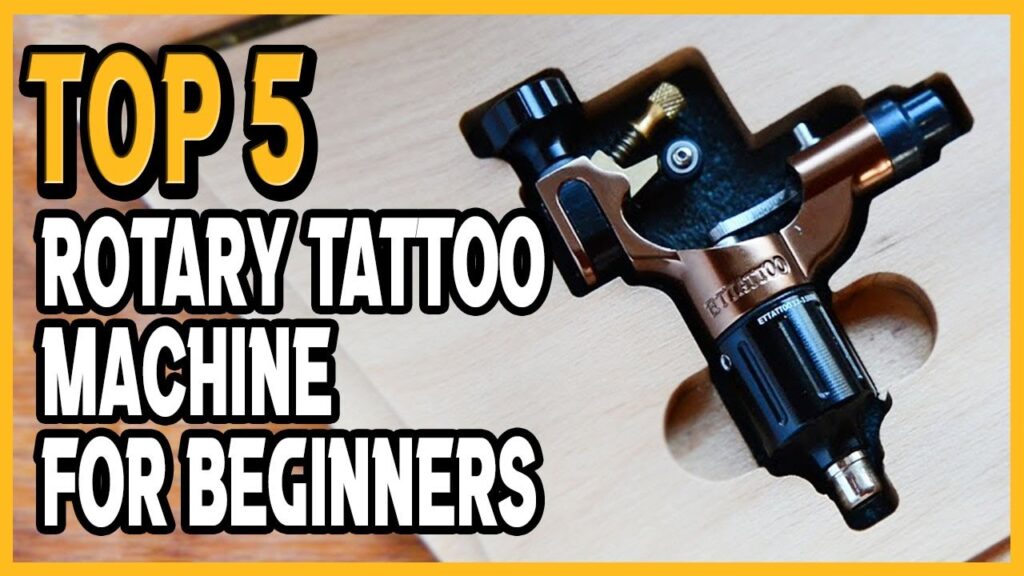
Rotary machines use a rotary motor to drive the needle. They are known for their smoother operation, quieter performance, and versatility. Different tattoo machine designs plans are available, each with unique features:
- Direct Drive: The motor is directly connected to the needle bar, providing a consistent and powerful stroke.
- Cam Style: Uses a cam wheel to convert rotary motion into linear motion, allowing for adjustable stroke lengths.
- Pen Style: Shaped like a pen, these machines are ergonomic and easy to handle. They are popular for their versatility and ease of use.
Pneumatic Tattoo Machines
Pneumatic machines, also known as air-powered machines, use compressed air to drive the needle. They are known for their lightweight design and consistent performance. However, they require an air compressor, which can be a drawback for some artists. Tattoo machine designs plans for pneumatic machines focus on minimizing vibration and maximizing control.
Analyzing Tattoo Machine Designs Plans
When examining tattoo machine designs plans, several key factors should be considered:
- Frame Material: The frame material affects the machine’s weight, durability, and vibration. Common materials include steel, brass, aluminum, and titanium.
- Coil Configuration: The number of coils, their size, and their wiring configuration influence the machine’s power and speed.
- Stroke Length: The stroke length determines the distance the needle travels in and out of the skin. Shorter strokes are ideal for lining, while longer strokes are better for shading.
- Weight and Balance: A well-balanced machine is easier to control and reduces fatigue during long tattooing sessions.
- Adjustability: The ability to adjust the machine’s settings, such as speed and stroke length, allows for greater versatility.
Where to Find Tattoo Machine Designs Plans
Finding reliable tattoo machine designs plans can be challenging. Here are some resources to explore:
- Online Forums and Communities: Tattoo artist forums and online communities often share tattoo machine designs plans and offer advice on machine building and modification.
- Tattoo Supply Websites: Some tattoo supply websites offer downloadable tattoo machine designs plans or kits for building your own machine.
- Books and Publications: There are books and publications dedicated to the art of tattooing, which may include tattoo machine designs plans and instructions.
- Experienced Machine Builders: Consulting with experienced tattoo machine builders can provide valuable insights and access to custom tattoo machine designs plans.
Building Your Own Tattoo Machine: A Step-by-Step Guide
Building your own tattoo machine can be a rewarding experience, allowing you to customize the machine to your specific needs. However, it requires technical skills and a thorough understanding of tattoo machine designs plans. Here’s a general step-by-step guide:
- Gather Materials: Collect all the necessary components, including the frame, coils/motor, armature bar, needle bar, contact screw, capacitor, and wiring.
- Assemble the Frame: Assemble the frame according to the tattoo machine designs plans. Ensure all connections are secure and stable.
- Install the Coils/Motor: Mount the coils or motor onto the frame, ensuring they are properly aligned and secured.
- Connect the Armature Bar: Attach the armature bar to the coils/motor, ensuring smooth and free movement.
- Install the Needle Bar: Secure the needle bar to the armature bar, ensuring it is properly aligned and centered.
- Wire the Machine: Connect the coils/motor to the power supply, following the wiring diagram in the tattoo machine designs plans.
- Adjust the Contact Screw: Adjust the contact screw to regulate the speed and power of the machine.
- Test the Machine: Test the machine on a practice skin to ensure it is functioning properly and delivering consistent results.
Safety Considerations
When working with tattoo machine designs plans and building your own machine, safety should be a top priority. Always follow these guidelines:
- Wear Protective Gear: Wear safety glasses and gloves to protect yourself from potential hazards.
- Use Proper Tools: Use the appropriate tools for each task to avoid injury or damage to the machine.
- Follow Wiring Diagrams: Carefully follow the wiring diagrams in the tattoo machine designs plans to avoid electrical shocks or short circuits.
- Test the Machine Thoroughly: Before using the machine on a client, test it thoroughly on a practice skin to ensure it is functioning safely and effectively.
- Sterilize Equipment: Always sterilize all equipment before and after each use to prevent the spread of infections. [See also: Tattoo Sterilization Techniques]
Choosing the Right Tattoo Machine Design Plan for Your Needs
Selecting the right tattoo machine designs plans depends on several factors, including your skill level, tattooing style, and budget. Consider the following:
- Skill Level: Beginners may find it easier to start with simpler tattoo machine designs plans, while experienced artists can tackle more complex projects.
- Tattooing Style: Different tattooing styles require different types of machines. Liners are ideal for creating outlines, while shaders are better for filling in areas with color.
- Budget: The cost of materials and components can vary significantly. Set a budget before starting your project and choose tattoo machine designs plans that fit within your financial constraints.
- Machine Versatility: If you plan to work on various tattoo styles, consider choosing tattoo machine designs plans that allow for adjustable settings and configurations.
Maintenance and Troubleshooting
Proper maintenance is essential for keeping your tattoo machine in optimal condition. Regular cleaning, lubrication, and inspection can prevent problems and extend the lifespan of your machine. Common issues include:
- Machine Not Working: Check the power supply, wiring, and contact screw. Ensure all connections are secure and properly aligned.
- Inconsistent Ink Flow: Clean the needle tube and nozzle to remove any blockages. Adjust the machine’s settings to ensure proper ink flow.
- Excessive Vibration: Check the frame and armature bar for loose connections. Tighten any loose screws or bolts.
- Overheating: Reduce the machine’s power or speed. Ensure the coils are properly ventilated.
The Future of Tattoo Machine Designs
The field of tattoo machine designs plans is constantly evolving, with new technologies and innovations emerging all the time. Some of the trends shaping the future of tattoo machines include:
- Wireless Machines: Wireless tattoo machines offer greater freedom of movement and eliminate the need for cords and power supplies.
- Digital Control Systems: Digital control systems allow for precise adjustments to the machine’s settings, such as speed, power, and stroke length.
- Ergonomic Designs: Ergonomic designs prioritize comfort and reduce fatigue during long tattooing sessions.
- Advanced Materials: Advanced materials, such as titanium and carbon fiber, are being used to create lighter, more durable, and more efficient tattoo machines.
Conclusion
Understanding tattoo machine designs plans is essential for any tattoo artist looking to improve their skills and create high-quality tattoos. By exploring the different types of machines, analyzing their components, and following safety guidelines, you can choose the right machine for your needs and build your own custom machines. As technology continues to evolve, the future of tattoo machine designs plans promises even greater innovation and performance, empowering artists to push the boundaries of their craft.
