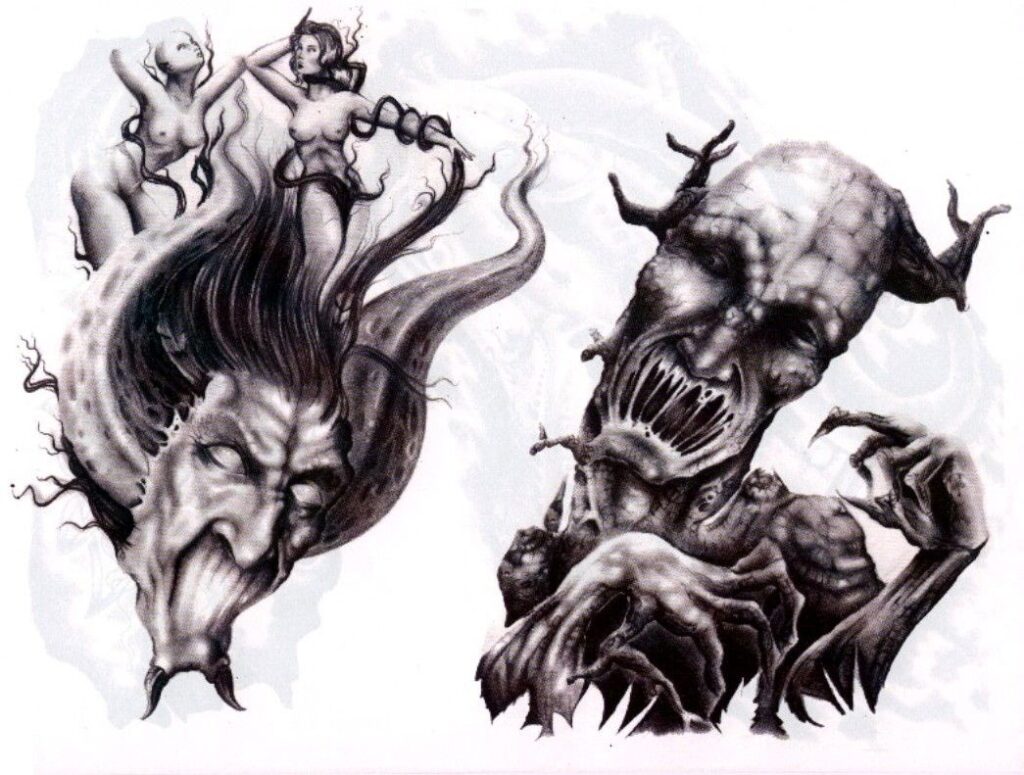
Unleashing Inner Demons: Exploring the Art and Meaning of Demon Tattoo Designs
Demon tattoo designs have captivated and intrigued individuals for centuries. Far from simply representing evil or negativity, these intricate artworks delve into the complexities of human nature, rebellion, and the struggle between light and darkness. In this comprehensive exploration, we’ll dissect the history, symbolism, and diverse styles of demon tattoos, providing insights into their cultural significance and modern interpretations. Whether you’re a seasoned tattoo enthusiast or simply curious about the world of body art, prepare to be enthralled by the potent imagery and profound narratives woven into these compelling designs. The power of a demon tattoo lies in its ability to express something profound and personal.
A Historical Glimpse into Demonic Imagery
The concept of demons transcends cultures and timelines, appearing in ancient mythologies, religious texts, and folklore across the globe. From the Mesopotamian Pazuzu to the biblical Lucifer, these entities have been portrayed as malevolent forces, tricksters, and even fallen angels. Understanding these historical roots is crucial to appreciating the depth and variety of demon tattoo designs.
In early cultures, demons were often seen as explanations for unexplained phenomena, illnesses, or natural disasters. They represented the chaotic and unpredictable aspects of life that humans struggled to comprehend. As religions evolved, demons became increasingly associated with moral corruption and spiritual damnation. However, even within these negative portrayals, elements of power, cunning, and rebellion emerged, which continue to resonate in modern interpretations of demon tattoos.
Decoding the Symbolism Behind Demon Tattoos
The allure of demon tattoos lies not just in their striking visuals but also in the rich symbolism they convey. While interpretations can vary widely depending on individual beliefs and cultural backgrounds, some common themes emerge:
- Rebellion and Nonconformity: Demons, often depicted as outcasts or rebels against divine authority, can symbolize a rejection of societal norms and a celebration of individuality. A demon tattoo might represent a person’s commitment to forging their own path, regardless of external pressures.
- Inner Turmoil and Personal Struggles: Many individuals choose demon tattoo designs to represent their internal battles with addiction, mental health issues, or personal demons. The tattoo serves as a visual reminder of these challenges and a testament to their resilience in overcoming them.
- Duality and the Balance of Good and Evil: Demons often embody the darker aspects of human nature, such as anger, lust, and greed. A demon tattoo can represent an acknowledgement of these inherent flaws and a commitment to maintaining balance between good and evil within oneself.
- Power and Strength: Despite their negative connotations, demons are often portrayed as powerful beings. A demon tattoo can symbolize inner strength, resilience, and the ability to overcome adversity. It can be a reminder of one’s own potential for greatness, even in the face of challenges.
It’s important to remember that the meaning of a demon tattoo is ultimately personal. The symbolism can be tailored to reflect individual experiences, beliefs, and aspirations. Before getting a demon tattoo, consider the message you want to convey and choose a design that resonates with your own unique story.
Popular Styles and Variations of Demon Tattoo Designs
The world of demon tattoo designs is vast and diverse, encompassing a wide range of styles and artistic interpretations. Here are some of the most popular variations:
Traditional Japanese Demon Tattoos (Oni)
Oni are fearsome creatures in Japanese folklore, often depicted with horns, sharp claws, and menacing expressions. These demon tattoos are typically rendered in bold lines and vibrant colors, often incorporating elements of nature, such as cherry blossoms or waves. Oni tattoos can represent protection against evil spirits or a symbol of inner strength and ferocity.
Western Demon Tattoos
Western demon tattoos often draw inspiration from Christian and medieval imagery, depicting demons as grotesque and terrifying figures. These designs may feature horns, wings, and sharp teeth, and are often rendered in black and gray ink to create a dark and ominous effect. [See also: Black and Grey Tattoo Techniques] Western demon tattoos can symbolize rebellion, inner turmoil, or the darker aspects of human nature.
Anime and Manga Inspired Demon Tattoos
The popularity of anime and manga has led to a surge in demon tattoo designs inspired by these art forms. Characters like demons from Demon Slayer, or other popular series offer unique and visually striking interpretations of demonic imagery. These tattoos often feature vibrant colors, dynamic poses, and intricate details, appealing to fans of Japanese pop culture.
Realistic Demon Tattoos
Realistic demon tattoos aim to create a lifelike depiction of demonic creatures, often drawing inspiration from horror movies or gothic art. These designs require a high level of skill and attention to detail, using shading and highlights to create a three-dimensional effect. Realistic demon tattoos can be incredibly impactful, conveying a sense of fear, awe, or fascination.
Abstract Demon Tattoos
Abstract demon tattoos take a more conceptual approach, using geometric shapes, lines, and colors to represent the essence of demonic energy. These designs are often open to interpretation, allowing the wearer to imbue them with their own personal meaning. Abstract demon tattoos can be a subtle yet powerful way to express one’s inner demons or rebellious spirit.
Placement Considerations for Demon Tattoos
The placement of a demon tattoo can significantly impact its overall effect and symbolism. Consider these factors when choosing the ideal location:
- Size and Detail: Larger, more intricate designs may require a larger canvas, such as the back, chest, or thigh. Smaller, simpler designs can be placed on the arm, leg, or shoulder.
- Visibility: Consider how visible you want your demon tattoo to be. A tattoo on the forearm or neck will be more visible than one on the back or thigh.
- Pain Tolerance: Some areas of the body are more sensitive to pain than others. If you have a low pain tolerance, consider choosing a less sensitive area, such as the outer thigh or upper arm.
- Symbolism: The placement of a demon tattoo can also add to its symbolism. For example, a tattoo on the heart might represent inner turmoil, while a tattoo on the back might symbolize protection from evil forces.
Caring for Your Demon Tattoo
Proper aftercare is essential for ensuring that your demon tattoo heals properly and maintains its vibrancy. Follow these guidelines:
- Keep the Tattoo Clean: Gently wash the tattoo with mild soap and water twice a day. Avoid using harsh chemicals or scrubbing the area.
- Apply a Thin Layer of Aftercare Ointment: Use a fragrance-free, hypoallergenic ointment to keep the tattoo moisturized. Avoid using petroleum-based products, which can clog pores.
- Avoid Sun Exposure: Protect the tattoo from direct sunlight by wearing loose-fitting clothing or applying a sunscreen with a high SPF.
- Don’t Pick or Scratch: Resist the urge to pick or scratch the tattoo, as this can lead to infection or scarring.
- Follow Your Tattoo Artist’s Instructions: Your tattoo artist will provide specific aftercare instructions based on your skin type and the tattoo design. Follow these instructions carefully to ensure optimal healing.
The Enduring Appeal of Demon Tattoo Designs
Demon tattoo designs continue to hold a powerful allure for individuals seeking to express their individuality, explore their inner demons, or celebrate their rebellious spirit. Whether you’re drawn to the intricate details of Japanese Oni tattoos, the dark imagery of Western demons, or the vibrant energy of anime-inspired designs, there’s a demon tattoo to suit every taste and aesthetic. By understanding the history, symbolism, and diverse styles of these captivating artworks, you can make an informed decision and choose a demon tattoo that truly resonates with your soul. The decision to get a demon tattoo is a personal one. A demon tattoo can be a powerful form of self-expression. Consider your own personal meaning when choosing a demon tattoo. The design of a demon tattoo should reflect your individual style. A well-placed demon tattoo can enhance its overall impact. Always prioritize proper aftercare for your demon tattoo. Explore different styles of demon tattoos before making a decision. The symbolism of a demon tattoo can be deeply personal. Remember, a demon tattoo is a permanent commitment. Enjoy the process of selecting your perfect demon tattoo. A demon tattoo can be a conversation starter. Share your demon tattoo story with others. Let your demon tattoo be a reflection of your inner self. Consider the cultural context of your demon tattoo design.
